| Photos de Shanghai
Photos de Shanghai au Panoramio
|
|
|
Catégories commerciales Shanghai |
Catégories de renseignements
|
Voyage conseils et avertissements Shanghai
| Tourism |
Shanghai is a truly epic city and is the biggest city in the whole of the People's Republic of China. A modern city with massive department stores and stylish buildings towering high into the sky, Shanghai is an expanding and ever-changing metropolis with a prospering tourism industry and plenty of action.
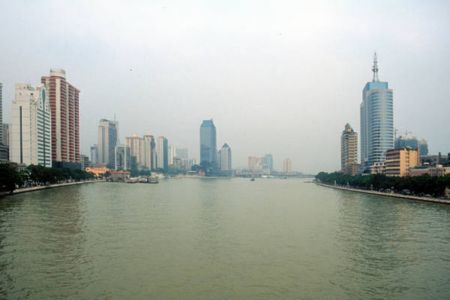
The municipality of Shanghai covers a vast area, although the actual city itself in more compact and moderately sized. Shanghia city centre consists of two main regions, Pudong and Puxi, being separated by the winding Huangpu River. For information about the city's layout and more, the various Shanghai Tourist Information Centres are a great place to begin your visit, with outlets along Nanjing Donglu and Jiujiaochang Lu, near to the eye-catching Temple of the Gods. |
| Cultura |
Shanghai has a little bit of everything, depending on where you spend your time. Culturally, you can retreat to the comforts of home, or you can venture out and experience the local life. High end places in the city like West Nanjing Road, Xintiandi, and Hengshan Road are places filled with people in high fashion going to high end stores like Versace, Tiffany’s, Chanel, and a huge Sony gallery. Other parts of the city show much more of a mixture of class and dress, but with a tendency towards cosmopolitan hipness not found in other parts of China.
Shanghai has a culture of activeness, a busy city where aside from the daily commute to and from work, people make the time to run to the fresh market for daily groceries, walk around the city and maybe do a little shopping, and even take part in early morning exercises in parks and other pedestrian areas. There are also dance and exercise groups in the evenings, most notably in People’s Square, in front of YuYuan Garden, and also at Zhongshan Park(changning Rd * dingxi Rd). |
| Shopping |
Shanghai is hailed as the "Shopping Paradise" and "Oriental Paris". So if you come to Shanghai, shopping should not be missed any more than its other charming attractions. Providing the very best of shopping has become an indispensable part of Shanghai's tourism industry.
Shopping areas in Shanghai are clearly divided into "Four Streets and Four Cities". Nanjing Road (including East Nanjing Road and West Nanjing Road), one of the four streets, enjoys the reputation of No. 1 Commercial Street in China. Developed from the beginning of the 20th century, Nanjing Road has clusters of a wide variety of shops from those that are centuries old, to special ones and modern malls. In these modern times, Nanjing Road is not out done by its numerous competitors but becomes more and more prosperous. Huaihai Road, no less famous than Nanjing Road, is celebrated for its elegance. It features top-end designer brands from all over the world. North Sichuan Road offers good inexpensive merchandise and is always the first choice of ordinary people. Food and tourism are well provided for on Middle Tibet Road, one of the Four Streets. |
| Specialities |
Porcelains
If you are a enthusiast of porcelain, you can go to Shanghai Museum where some of the best porcelain are on offer. Most of them are curiosas in the world. In some big department stores, you may find porcelain made in Jingdezhen. The location of the museum is No. 201 Renming Da Dao.
Silk
Shanghai is one of China’s most important regions for silk production and export. The variety of silk fabrics available is astounding including silk, damask, damask silk, brocade, crape, arrowroot, slub, gauze, etc. , which are always admired by the customers both home and abroad. Printed and embroidered silk are also popular and plentiful especially the silk with “the Chinese Painting” as the theme. Its old-timey scene as well as the brand-new technique is rare. |
|