Zagreb (Zagreba), the capital of Croatia, is not generally regarded as a tourist destination. Most people planning a trip to Croatia head directly for the coast, unfortunately, leaving little time if any to see Zagreb. With ¼ of the country's population, Zagreb is a thriving energetic, inland city that warrants at least a brief visit. Zagreb is also the political and cultural center of Croatia. This is where you will find the best museums, restaurants, and shopping that Croatia has to offer.
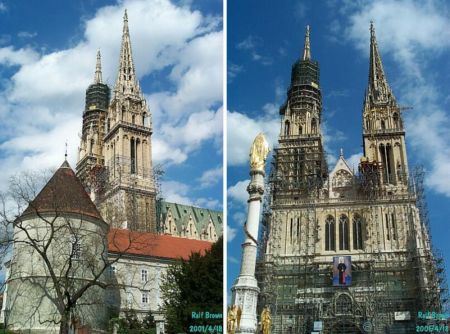
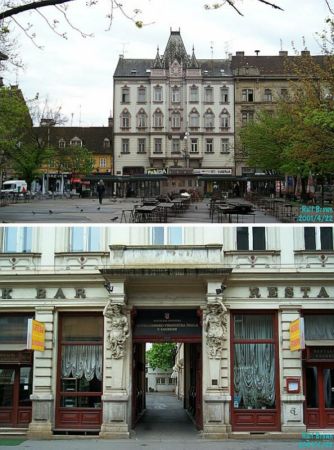
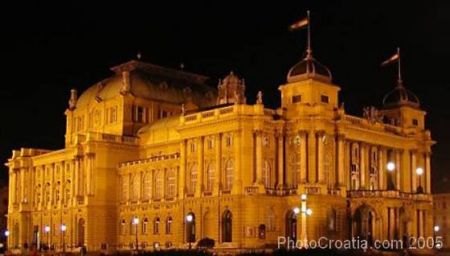
Most of the cities major attractions are in the city center, which consists of two main sections, Gornji Grad (Upper Town) and Donji Grad (Lower Town). Gornji Grad is on a high plateau above Donji Grad and home to Zagreb's Cathedral and parliament building. Donji Grad is a more modern area known for museums and the Croatian National Theatre. Trg Bana Jelacica is the main square where the Upper and Lower Towns meet. Away from the city center, Zagreb loses some of its appeal, as 20th Century apartment blocks consume the landscape.
Désormais officiellement plus de 900 ans, la ville de Zagreb, Croatiaís capital, allie le dynamisme d'une capitale naissante dans un pays nouvellement indépendant avec la même appréciation du passé, la riche histoire et la tradition culturelle de l'une des métropoles les plus distingués Europeís . Bien que officieusement connue comme la capitale croate depuis la mi 1500ís, Zagrebís reconnaissance officielle en tant que capital est arrivé en 1991 le 25 Juin lors d'indépendance croate de la Yougoslavie a été déclarée.
As we plan our trip to Croatia this spring, we are excited to be in the capital city and explore some of the following highlights in the Upper Town (Gornji Grad) and Lower Town (Donji Grad). Check out our ‘Zagreb Walking Tour‘ that covers most of these sights.
Shopping in Zagreb is easy to navigate. Walk west on Ilica, Zagreb's main street (see a map) and you'll pass shop after shop. Veer onto the side streets for even more choices. Nearly all European chains are present and accounted for and there are also some smaller and more interesting boutiques. Hours are long, generally running from 8 or 9am to 7 or 7. 30pm without a lunch break from Monday to Saturday. Stores accept credit cards but have some kuna handy for the markets.
The prices of food and drinks differ greatly between supermarkets and the restaurants. Obviously, it is cheaper to buy food at the supermarkets like Diona or Konzum. The prices for basic food staples are: one liter of Pan Beer in a plastic bottle costs 12 kunas; 450 grams of chicken breasts costs 26 kunas; one loaf of bread costs 7 kunas; 1 liter of milk costs 6 kunas; 1. 75 liters of milk costs 10 kunas; and a carton of twelve eggs costs 10 kunas.
Zagreb (API : /ˈzɑːgrɛb/ ; en hongrois, Zágráb, en italien, Zagabria ; anciennement nommée en allemand, Agram) est une ville et un comitat, capitale de la Croatie. Au recensement de 2001, la ville comptait habitants, dont de Croates et la région de Zagreb (la ville de Zagreb plus le comitat de Zagreb) compte habitants
Zagreb est située au nord du pays sur les flancs de la Medvednica à côté de la Save à une altitude d'environ 122 m au-dessus du niveau de la mer. Sa situation géographique favorable dans le sud-ouest de la Plaine de Pannonie qui s'étend des Alpes aux Alpes dinariques et à la mer Adriatique la place sur les axes de communication entre l'Europe centrale et la mer Adriatique.
Les interconnexions de transports, la concentration des industrie, de la recherche scientifique et industrielle font de Zagreb le centre économique de la Croatie. Zagreb est également le siège du gouvernement, des corps administratifs et de presque tous les ministères.
Description above from the Wikipedia, licensed under CC-BY-SA full list of contributors
here.